
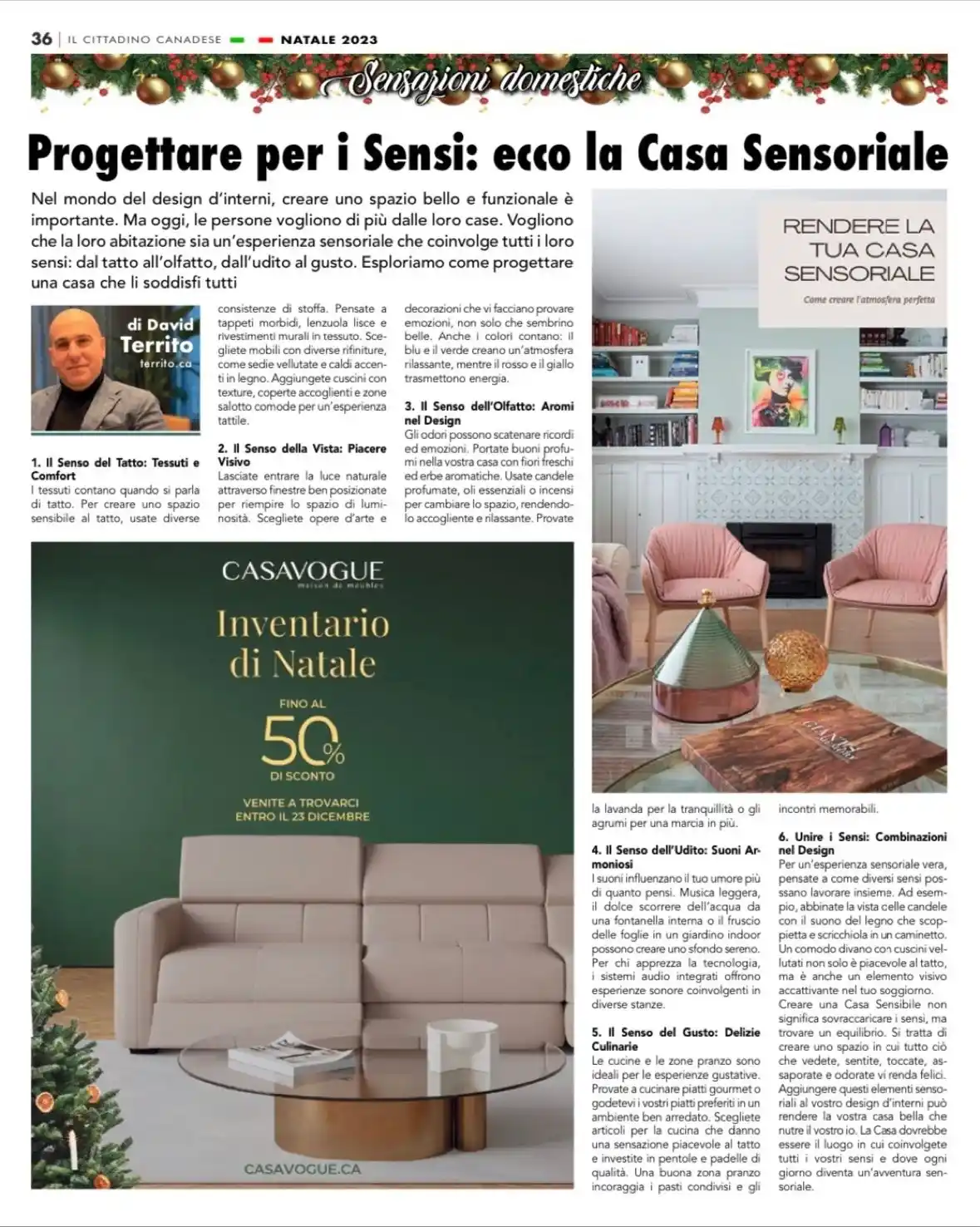
In the world of interior design, making a space look good and work well is important. But today, people want more from their homes. They want their homes to be a sensory experience, engaging all their senses, from touch and smell to sound and taste. Let’s explore how to design a home that delights all your senses.
1. The Sense of Touch: Textures and Comfort
Textures matter when you think about touch. To create a touch-friendly space, use different textures. Think about soft rugs, smooth bed linens, and textured wall coverings. Get furniture with different finishes, like velvety chairs and warm wooden accents. Throw in some textured pillows, cozy blankets, and comfy seating areas for that tactile experience.
2. The Sense of Sight: Visual Pleasures
While how things look is crucial in design, consider how they affect your sight even more. Let in natural light through well-placed windows to fill your space with brightness. Choose artwork and decor that make you feel something, not just look good. Colors matter too; cool blues and greens can calm you, while bold reds and yellows bring energy.
3. The Sense of Smell: Aromas in Design
Scents can trigger memories and emotions. Bring good smells into your home with fresh flowers and herbs. Use scented candles, essential oils, or incense to change your space, making it cozy and relaxing. Try lavender for calmness or citrus for a pick-me-up.
4. The Sense of Sound: Harmonious Sounds
Sounds affect your mood more than you might think. Soft music, gentle water sounds from a fountain, or rustling leaves from an indoor garden can create a peaceful background. High-tech folks can go for sound systems for a more immersive experience.
5. The Sense of Taste: Culinary Delights
Kitchens and dining areas are perfect for tasting experiences. Try cooking gourmet meals or enjoy your favorites in a well-designed dining spot. Pick kitchen stuff that feels good, and invest in quality cookware. A good dining area encourages shared meals and great gatherings.
6. Combining the Senses: Mixing It Up
For a real sensory experience, think about how different senses can work together. For instance, pair the sight of candles with the sound of a crackling fire. A comfy sofa with velvety cushions not only feels good but looks fantastic too.
Creating a sensory-friendly home isn’t about overwhelming your senses but finding a balance. It’s about making a space where everything you see, hear, touch, taste, and smell makes you happy.
Adding these sensory elements to your design can make your home beautiful and enriching. Your home should be a place where everything, from how it looks to how it feels and smells, makes you happy.
As you dive into your design adventure, remember that your home is a place to engage your senses and make every day a sensory journey.
 English
  French