
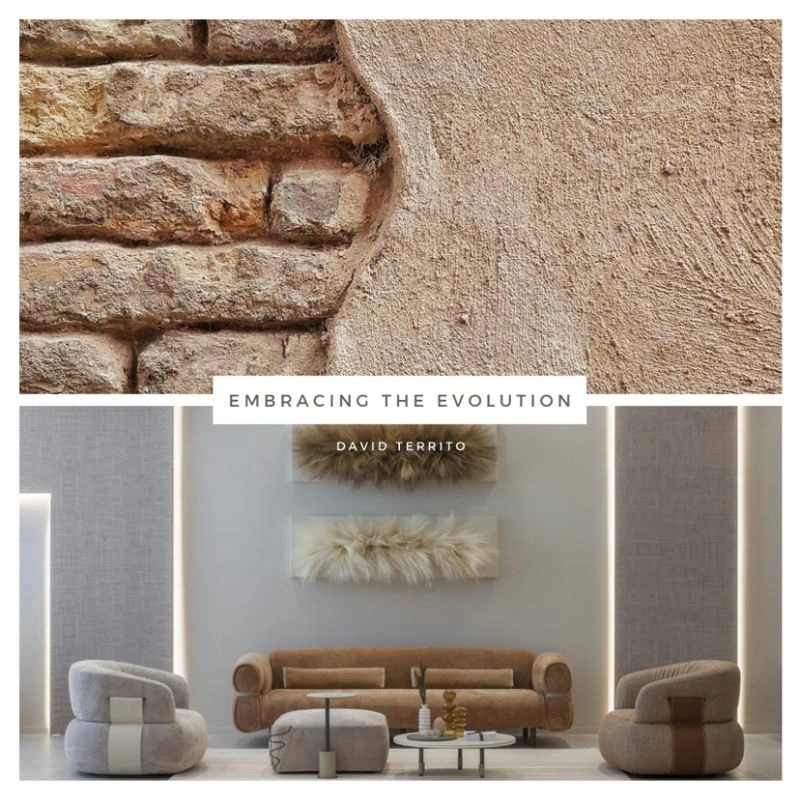
In today’s changing world, the connection between the two industries is vital as people’s priorities have shifted thus impacting both sectors. As a furniture store owner and a real estate investor, I’ve witnessed firsthand the mutual opportunities. Let’s explore
- Personalized Spaces:
People invest more than ever in homes that reflect their unique style and preferences. The concept of personalized spaces has gained popularity, with individuals seeking furniture that complement their vision and enhances the overall ambiance of their homes. - Functional Workspaces:
With the rise of remote work and flexible lifestyles, home offices have become essential. Furniture that seamlessly integrates into living spaces to create functional work environments is in high demand. These solutions cater to the evolving needs of home buyers. - Home Entertainment:
The way people consume entertainment has undergone a transformation. The convenience of streaming services has led to a rise in home entertainment requirements and carefully crafted spaces that favor this trend. This shift in behavior has fueled the demand for furniture that enhance this experience. - Lifestyle Amenities:
Residential complexes are redefining the concept of living by offering a wider range of amenities. From state-of-the-art gyms and communal office spaces to versatile meeting rooms, these amenities are designed to enhance the overall quality of life. Collaborating with the furniture industry, developers can curate spaces that are both functional and aesthetically pleasing, creating environments that cater to the evolving lifestyle needs. - Connectivity:
Furniture is becoming increasingly connected. Electric recliners, USB connections, and app controls, are just some examples of the innovative features integrated into furniture designs. These advancements play a pivotal role for developers seeking to build cutting edge properties. - Design Trends:
The furniture industry plays an important role in setting design trends. Furniture professionals have their finger on the pulse on the latest innovations, constantly pushing the boundaries of creativity and bringing fresh ideas to market. Developers who stay connected to these trends can incorporate them into their properties, ensuring they resonate with buyers. - Sustainability:
Sustainability has become a key consideration for both industries. People are increasingly mindful of their environmental impact and seek eco-friendly alternatives. The furniture world has responded by offering sustainable designs, responsibly sourced materials, and innovative manufacturing processes allowing us to contribute to a greener future.
The dynamic relationship between both industries present exciting opportunities. From personalized living spaces to cutting-edge features, recognizing this symbiosis unlocks avenues for growth, innovation, and success.
 English
  French